
Psychotherapy for adults · Virtual in California
The End of Endless Therapy
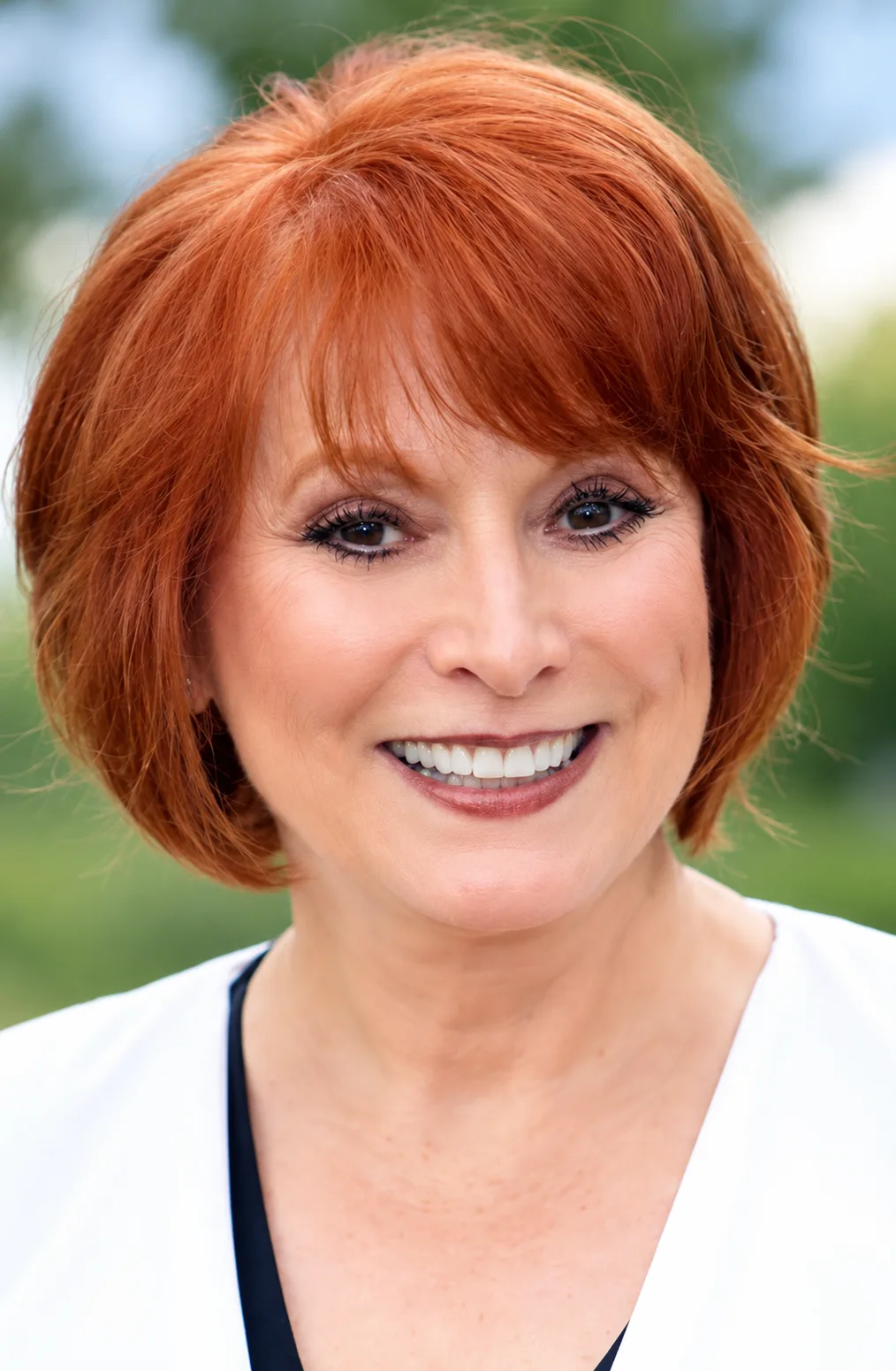
Dr. Arlene Drake, PhD, LMFT, is a California psychotherapist offering individual, group, and couples therapy for adult survivors of childhood trauma, abuse, and neglect, with virtual sessions available to California residents. Her approach emphasizes understanding past experiences, recognizing patterns that affect the present, and developing practical tools for personal growth.
- Credentials
- PhD, LMFT
- Experience
- Over 40 years
- Book
- Carefrontation
Guiding philosophy
“The End of Endless Therapy”
Structured, active work toward independence, self-understanding, and personal agency. A philosophy, not a promise.
Contact Psychotherapist Dr. Arlene Drake Today to get a Free 15 Minute Consultation
Arlene offers virtual therapy using Skype or FaceTime. Please use this website to contact Arlene Drake directly to schedule your own virtual psychotherapy session.
Who this practice helps
Support for adults ready to explore healing, growth, and change
Dr. Drake works with adults who carry the effects of childhood experiences and are ready to understand them, without pressure to disclose more than feels safe. Concerns commonly explored in therapy include:
Adults affected by childhood trauma
Therapy offers a structured space to understand how early experiences continue to shape emotions, beliefs, and daily life.
Survivors of physical, sexual, or emotional abuse
A compassionate, respectful process for exploring the effects of abuse without pressure, shame, or re-traumatizing detail.
Childhood trauma and neglect
Support for recognizing how neglect and early wounding show up in adult relationships, self-worth, and coping.
Relationship and emotional patterns
Understanding recurring patterns in relationships and emotions that often trace back to early experience.
Trauma-related anxiety and depression
Exploring anxiety and low mood connected to trauma, where clinically appropriate to the clinician’s scope.
PTSD and complex PTSD (C-PTSD)
Trauma-informed support for PTSD and C-PTSD symptoms, provided within the practitioner’s verified scope of practice.
This list describes concerns people often bring to therapy. It is not a diagnostic tool, and Dr. Drake takes time to understand each person's individual situation rather than applying labels.
Therapy services
Three ways to begin, one shared focus
Individual, group, and couples therapy each offer a different setting for the same kind of work: understanding how childhood experiences shape the present, and developing tools for change.
Individual Trauma Therapy
One-to-one psychotherapy for adults working through the effects of childhood trauma, abuse, and neglect, including inner child work and trauma-related emotional patterns.
Explore individual therapyGroup Therapy
Group psychotherapy for adult survivors: a supportive setting for shared experience, reduced isolation and shame, connection, reflection, and personal growth.
Learn about group therapyCouples Therapy
Support for partners navigating relationship difficulties that may be influenced by unresolved childhood experiences, with suitability assessed individually.
Explore couples therapyAdditional focus areas:

Dr. Arlene Drake's approach
The End of Endless Therapy
The practice's guiding philosophy is that therapy should be active, structured, and moving toward an end: greater independence, self-understanding, and personal agency. Sessions are interactive and goal-oriented rather than open-ended, and the therapist participates actively in the work.
- Understanding how past trauma affects present emotions, beliefs, and relationships
- Recognizing unhelpful patterns that repeat in adult life
- Developing healthier coping strategies and practical skills
- Working toward independence, confidence, and lasting change, without a fixed timeline or promised outcome
“The End of Endless Therapy” is a guiding way of working, not a guarantee of a specific outcome. Every person's pace and progress are their own.
The therapeutic process
What working together looks like
Therapy happens in phases: a beginning focused on understanding, structured work in the middle, and regular evaluation along the way.
-
Begin with a conversation
Every inquiry starts with a consultation: a chance to ask questions, learn how the practice works, and decide whether it feels like the right fit. Requesting a consultation is not a commitment.
-
Assessment and collaborative goals
Early sessions focus on understanding your concerns, history, and hopes at your own pace, without requiring detailed disclosure. Together we set clear goals for the work.
-
Structured therapeutic work
Sessions are active, interactive, and goal-oriented. We explore patterns that affect the present, develop healthier coping strategies, and practice new responses between sessions.
-
Ongoing evaluation
Progress is reviewed regularly and goals are adjusted as the work evolves. The duration of therapy varies from person to person, and there is no fixed timeline or promised outcome.
The length of therapy differs from person to person. Progress is reviewed regularly, and goals are adjusted so the work stays aligned with what you hope to change.
Inner child work
Meeting the younger self with compassion
Childhood experiences often leave echoes that adults carry without fully recognizing: ways of soothing, protecting, believing, and relating that began early in life. Inner child work explores how those early experiences influence current emotions, beliefs, relationships, and coping patterns, in a gentle, structured way.
- Understanding the origins of present-day emotional responses
- Softening self-criticism and shame carried from early experiences
- Building a kinder, more grounded relationship with yourself

Gentle, structured, at your pace
Experience and professional background
A career devoted to adult survivors
Dr. Arlene Drake has dedicated her career to helping adult survivors of childhood trauma and abuse understand their past and build a fuller present. The following are the credentials and work the practice represents:
-
PhD, LMFT
Doctorate in psychotherapy; Licensed Marriage and Family Therapist, as licensed in the relevant jurisdiction.
-
Over 40 years of experience
Decades of clinical work with adults affected by childhood trauma, abuse, and neglect.
-
Author of Carefrontation
Carefrontation: Breaking Free From Childhood Trauma (Regan Arts, 2017).
-
Advocate for survivors
Long-standing professional focus on the needs and dignity of adult survivors of child abuse.

Published work
Carefrontation: Breaking Free From Childhood Trauma
Dr. Drake's book, published by Regan Arts in 2017, grows out of her clinical work with adult survivors and her conviction that understanding the past makes meaningful change possible.
Professional profile on Psychology TodayFees and consultation
Clear, transparent fees
Rates are displayed as provided by the practice. Please confirm current rates and session length when you inquire, and ask about availability. Financing is not offered.
Individual therapy
$150–$200
per session
Group therapy
$85
for a two-hour session
A consultation is an opportunity to ask questions. It is not a commitment, and it does not guarantee acceptance into treatment.
Frequently asked questions
Questions prospective clients often ask
Who is Dr. Arlene Drake and who does she help?
Dr. Arlene Drake, PhD, LMFT, is a psychotherapist with over 40 years of experience, as represented by the practice. She works with adults affected by childhood trauma, abuse, and neglect through individual, group, and couples therapy.
Is virtual therapy available in California?
Yes. Virtual therapy is offered to California residents. You can confirm telehealth eligibility and whether it is a good fit during a consultation.
How much does therapy cost?
Individual therapy is $150 to $200 per session. Group therapy is $85 for a two-hour session. A consultation is available to help you ask questions. Please confirm current rates and session length when you inquire.
What happens during the first consultation?
The first consultation is a conversation, not a therapy session. It is a chance to ask questions about the practice, approach, fees, and availability, and to see whether it feels like the right fit. Requesting a consultation does not guarantee acceptance into treatment.
Begin with a conversation
Begin with a consultation
A consultation is a chance to ask questions, learn how the practice works, and decide whether it feels like the right fit. Requesting a consultation is not a commitment, and it does not guarantee acceptance into treatment.